How Does a Urodynamic Test Work? A Comprehensive Guide for Patients
Understanding Urodynamic Tests
Urodynamic tests are a series of diagnostic procedures designed to assess how well the bladder, sphincters, and urethra store and release urine. These tests are crucial for diagnosing urinary incontinence and other related conditions. By understanding how these tests work, patients can feel more comfortable and informed about the process.
The primary goal of a urodynamic test is to replicate the symptoms a patient experiences while providing a detailed analysis of how the urinary system functions. This comprehensive guide will walk you through the various aspects of the test, preparing you for what to expect.
What to Expect During the Test
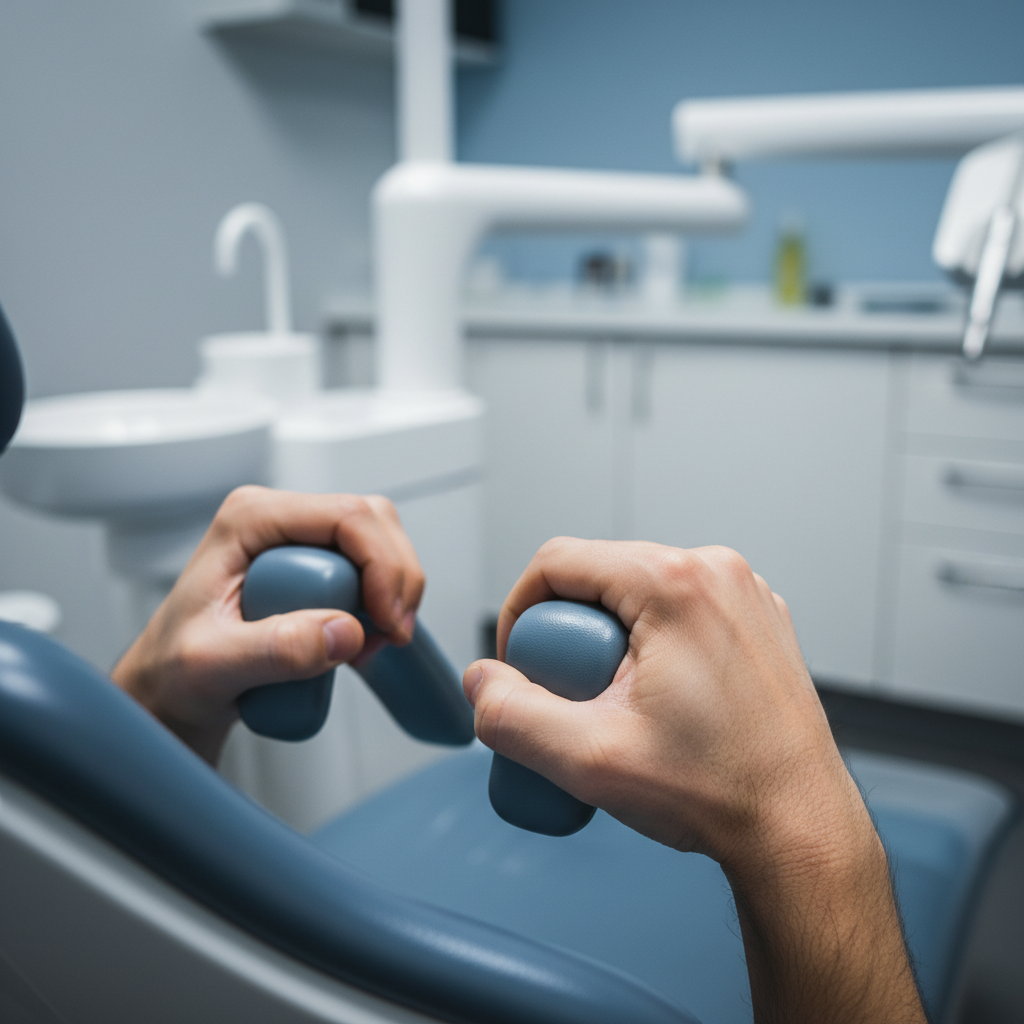
A urodynamic test is typically performed in a clinic or hospital setting and can last from 30 minutes to a couple of hours, depending on the specific tests conducted. During the test, patients may be asked to arrive with a comfortably full bladder.
Patients should wear loose, comfortable clothing and may be asked to change into a hospital gown. The test is generally painless, though some patients might experience mild discomfort during certain procedures.
Types of Urodynamic Tests
Urodynamic testing can include a variety of specific tests, each providing unique insights into bladder function:
- Uroflowmetry: Measures the speed and volume of urine flow.
- Cystometry: Assesses bladder pressure and capacity.
- Pressure Flow Study: Evaluates the pressure required to urinate.
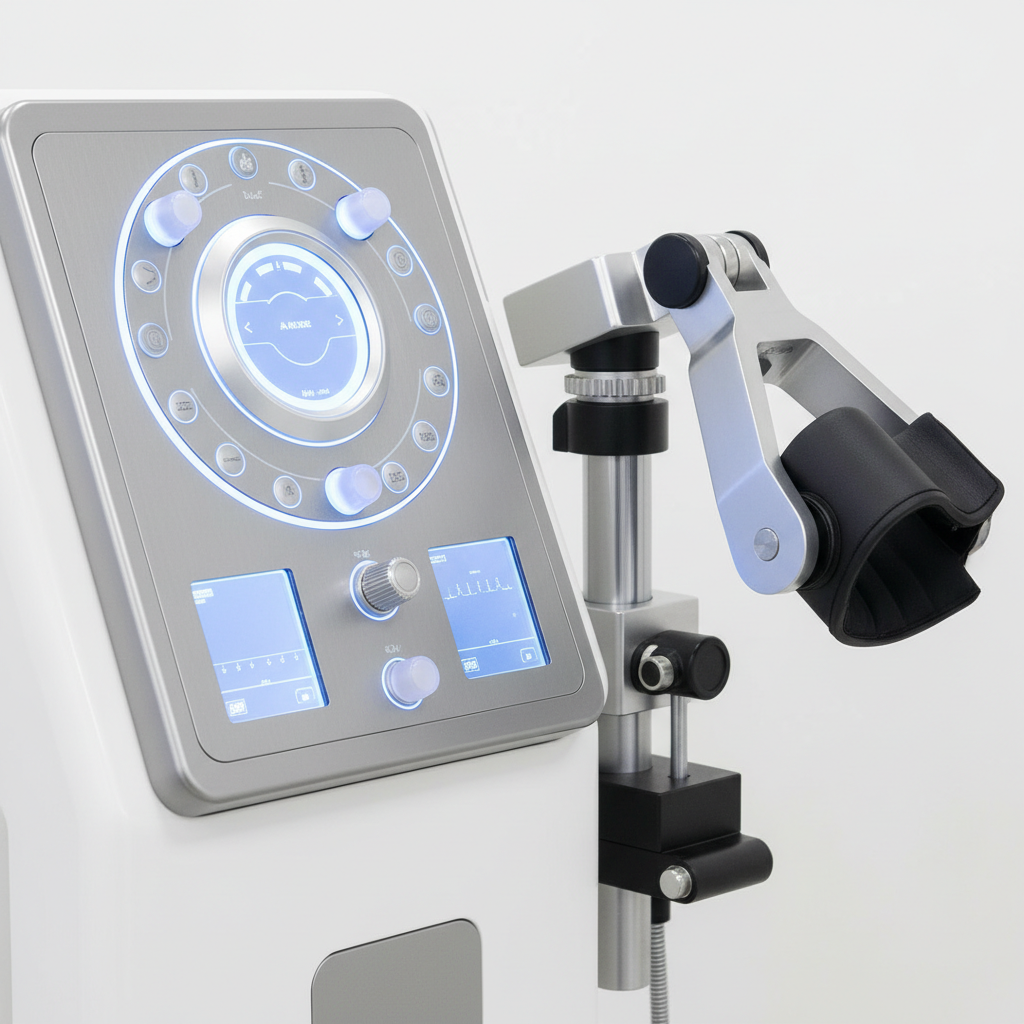
- Electromyography (EMG): Tests the electrical activity of the muscles and nerves around the bladder and urethra.
Preparation and Aftercare
Before the test, patients might be advised to stop certain medications that could affect bladder function. It is important to follow any specific instructions provided by the healthcare provider to ensure accurate results.
After the test, patients can typically resume normal activities. Some individuals may experience mild discomfort, such as a slight burning sensation during urination, but this usually resolves quickly. Drinking water can help alleviate these symptoms.
Interpreting the Results
The results of a urodynamic test provide valuable information about the functioning of the urinary tract. Healthcare providers will analyze the data to identify any abnormalities or dysfunctions. This information is crucial for developing an effective treatment plan tailored to the patient's needs.
While the terminology and data may seem complex, healthcare providers will explain the results in a clear and understandable manner, addressing any questions or concerns the patient may have.

Conclusion
Urodynamic tests are a vital tool in diagnosing urinary issues, helping healthcare providers understand the underlying causes of symptoms. By familiarizing yourself with the process and what to expect, you can approach the test with confidence and clarity.
If you have any concerns about undergoing a urodynamic test, do not hesitate to discuss them with your healthcare provider. They can provide reassurance and additional information to ensure you feel comfortable and informed.